

Fall Eye Allergies in Columbia: How to Tell Allergies From Dry Eye
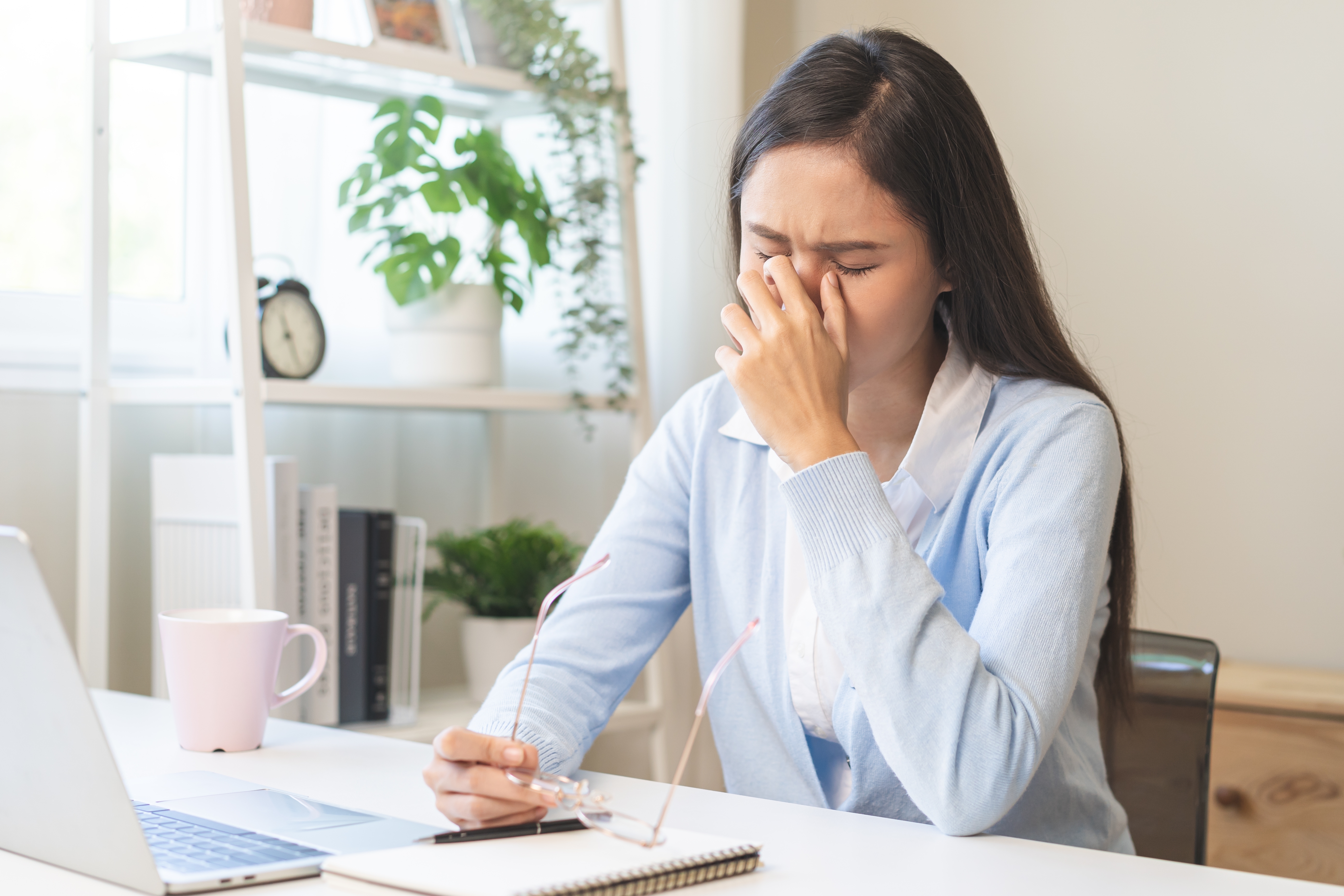
Fall in Columbia can bring cooler temperatures, changing leaves, and plenty of seasonal allergens. Ragweed pollen, mold spores, dust, and other airborne irritants can leave eyes red, watery, and uncomfortable. However, seasonal eye allergies are not the only possible cause of these symptoms. Dry eye can feel surprisingly similar, and some people may experience both conditions at the same time.
Understanding the differences between fall eye allergies and dry eye can help you know when it is time to schedule an eye exam.
What Do Fall Eye Allergies Feel Like?
Eye allergies, also known as allergic conjunctivitis, occur when the eyes react to an allergen. During fall, exposure to pollen, mold, and outdoor debris can trigger inflammation in sensitive eyes.
Itching is one of the strongest clues that allergies may be responsible. Other common symptoms include redness, excessive tearing, swollen eyelids, and a burning sensation. Symptoms often affect both eyes and may become worse after spending time outdoors.
Many people with seasonal eye allergies also experience sneezing, congestion, or a runny nose.
How Does Dry Eye Feel Different?
Dry eye occurs when your eyes do not produce enough healthy tears or when tears evaporate too quickly. Fall weather can contribute to symptoms as humidity drops and people begin spending more time around indoor heating.
Dry eye may cause:
- Burning or stinging
- A gritty or sandy sensation
- Fluctuating or blurry vision
- Eye fatigue
- Redness
- Sensitivity to light
- Watery eyes
- Discomfort while wearing contact lenses
Watery eyes may seem surprising, but dryness can irritate the surface of the eye enough to trigger reflex tearing. These tears do not always have the proper balance needed to keep the eyes comfortably lubricated.
The Biggest Clue: Itching vs. Grittiness
Although symptoms overlap, the type of discomfort you experience can provide useful clues. Intense itching tends to point toward allergies, while burning, grittiness, fluctuating vision, and a sensation that something is stuck in the eye are more commonly associated with dry eye.
Symptoms can also occur together. Allergies can disrupt the tear film, while rubbing itchy eyes may further irritate the ocular surface. Some allergy medications can also contribute to dryness in certain patients.
That is why persistent symptoms should not automatically be treated as either allergies or dry eye without an evaluation.
Why an Eye Exam Matters
If your eyes remain irritated despite using over-the-counter products, an eye exam can help identify what is actually causing the problem. At Palmetto Eye Care, we can evaluate the health of the ocular surface and discuss whether your symptoms are related to allergies, dry eye, or another eye condition.
Our practice also provides dry eye consultations and personalized treatment in Columbia for patients dealing with dry, itchy, or irritated eyes. The right approach depends on what is contributing to your symptoms rather than simply masking the discomfort.
If fall eye allergies or dry eye symptoms are making your eyes uncomfortable, schedule an appointment with Palmetto Eye Care in Columbia, SC, at (803) 732-4166 for personalized eye care and relief.


Contact Info
Hours of Operation
- Monday 9:00am - 5:00pm
- Tuesday 9:00am - 5:00pm
- Wednesday 9:00am - 5:00pm
- Thursday 9:00am - 5:00pm
- Friday 9:00am - 5:00pm
- Saturday Closed
- Sunday Closed
© 2026 Palmetto Eye Care. All rights Reserved. Accessibility Statement - Privacy Policy - Sitemap
Powered by:
